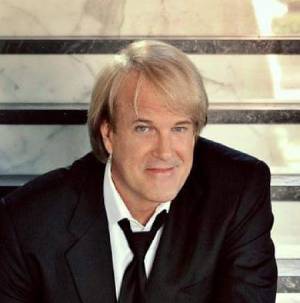
Discover how John Tesh turned rejection, illness, and uncertainty into a life defined by faith, purpose, and perseverance.
John Tesh has built one of the most diverse careers in modern media, earning recognition as a television host, sportscaster, composer, recording artist, author, and nationally syndicated radio personality. Millions first came to know him through Entertainment Tonight, while others discovered his award-winning instrumental music, live concerts, or the long-running Intelligence For Your Life radio program.
Yet behind the public accomplishments is a story defined by resilience rather than celebrity. Before reaching national television, Tesh experienced rejection, career uncertainty, and even a season of homelessness after pursuing broadcasting instead of the career path his family envisioned. Those early struggles shaped a work ethic that carried him from local radio shifts and television newsrooms to becoming one of the most recognizable voices in American broadcasting.
During his conversation on The Chris & Sandy Show, Tesh offers a candid look at another defining chapter of his life—his battle with aggressive prostate cancer. Rather than focusing solely on survival, he reflects on the role faith, disciplined perseverance, and the unwavering support of his wife Connie Sellecca played throughout that journey. The result is a conversation that reveals not simply a successful broadcaster, but a man whose greatest lessons were learned far from the spotlight.
John Tesh: When Purpose Becomes Stronger Than Circumstances
The legendary broadcaster opens up about cancer, calling, marriage, rejection, and the life lessons that mattered far more than fame.
Most people recognize John Tesh because of what they've seen on television or heard on the radio.
They remember Entertainment Tonight. They remember his music filling arenas. They remember his voice covering Olympic Games and major sporting events. Others know him through Intelligence For Your Life, where he's spent years helping listeners navigate everyday challenges.
But none of those accomplishments became the centerpiece of this conversation.
Instead, something much deeper emerged.
During his appearance on The Chris & Sandy Show, John Tesh invited listeners behind the public image to share the stories that truly shaped him—not the moments of applause, but the moments of uncertainty, heartbreak, faith, and perseverance that ultimately defined his life.
It became less about celebrity and more about character.
When Life Hands You an Impossible Diagnosis
One of the earliest moments in the interview immediately shifted the tone.
Rather than talking about the challenges of the COVID-19 pandemic, John revealed that he had already been fighting a much greater battle. In 2015, doctors gave him only eighteen months to live after diagnosing him with an aggressive form of prostate cancer. Instead of accepting that prognosis as the final chapter, he and his wife Connie committed themselves to fighting with everything they had.
Their approach wasn't based on a single solution. It combined medical treatment, disciplined lifestyle changes, focused prayer, and an unwavering refusal to surrender hope.
John speaks honestly about the physical toll of treatment, the emotional exhaustion, and even the ways illness can begin to reshape a person's identity if they aren't careful. One of the most compelling insights from the conversation is his realization that people can slowly begin seeing themselves only through the lens of their diagnosis.
Rather than allowing cancer to become his identity, he intentionally chose another perspective—one rooted in faith and purpose.
That mindset became one of the defining themes of the entire interview.
The Quiet Strength Behind Every Great Journey
Although John's professional accomplishments are remarkable, one of the interview's most touching moments centers on his marriage.
Speaking about Connie Sellecca, he doesn't simply describe a supportive spouse. He describes an advocate.
Someone who stood beside him during surgeries, treatments, uncertainty, and recovery.
He reflects on how suffering deepened their relationship rather than weakening it. Looking back over decades of marriage, he realized that his greatest business partner had been beside him all along.
That realization extends beyond marriage advice.
It reminds listeners that the people who quietly encourage us behind the scenes often become the greatest contributors to whatever success the world eventually sees.
The interview never treats partnership as secondary to achievement.
Instead, partnership becomes one of the reasons achievement was possible in the first place.
Rejection That Redirected a Life
Long before national television and sold-out concerts, John's future looked very different.
Growing up, his father envisioned a stable career in textile chemistry rather than broadcasting or music. Following that path left John struggling academically and increasingly disconnected from the creative gifts that had always defined him.
Everything changed after discovering radio and television classes.
For the first time, work didn't feel like work.
It felt like purpose.
The decision to change directions eventually led to mistakes, conflict with his family, and one of the most painful seasons of his life. After being forced to leave home, John found himself living in a tent, working construction, pumping gas, and wondering what came next.
Many people would have viewed that season as failure.
John now views it as preparation.
Instead of waiting for someone to discover him, he created his own opportunities. He produced a homemade radio demo, accepted the earliest shifts no one else wanted, swept floors, covered stories for free, and slowly earned the trust that opened bigger doors.
His story is a powerful reminder that careers are rarely built in dramatic leaps.
More often, they're built through consistent faithfulness in small opportunities.
Success Never Replaced Purpose
One of the most refreshing aspects of this interview is that John rarely measures his life by awards, ratings, or career milestones.
Instead, he continually returns to questions of purpose.
Why are we here?
What kind of person are we becoming?
How do we respond when life changes everything?
His answers aren't simplistic.
They're shaped by decades of experience, loss, healing, and perseverance.
That perspective gives the conversation a timeless quality. Even listeners unfamiliar with his television or music career will likely find themselves connecting with the lessons behind his journey.
Because ultimately, this interview isn't about becoming famous.
It's about becoming faithful.
Throughout the conversation, John repeatedly demonstrates that purpose is not discovered during life's easiest moments—it is often clarified during its hardest ones.
7 Lessons We Learned From John Tesh
Lesson 1 — Your Worst Diagnosis Doesn't Have to Become Your Identity
When John Tesh shared that doctors gave him only eighteen months to live, it would have been understandable if that diagnosis became the defining sentence of his life. Instead, he chose to fight. He pursued treatment aggressively, surrounded himself with support, leaned into his faith, and refused to let the diagnosis dictate who he was.
One of the most profound insights from the interview is his recognition that people can slowly begin identifying themselves by their illness. He spoke about realizing how easy it is to start thinking and talking like a "cancer patient," allowing the disease to become the center of your identity rather than one chapter of your story. That awareness became a turning point in his mindset.
Whether someone is battling illness, addiction, grief, financial hardship, or another life challenge, the principle remains the same. Circumstances are real, and they deserve to be acknowledged, but they do not have to become the total definition of a person's life. John's story reminds us that while we cannot always choose our diagnosis, we can choose how we respond to it.
Lesson 2 — The Right Person Beside You Can Change Everything
Throughout the interview, John continually returns to the role his wife Connie played during the hardest seasons of his life. He doesn't speak about her merely as a spouse but as an advocate, teammate, encourager, and partner.
One of the most meaningful moments comes when he reflects that his greatest business partner was sitting beside him all along. After years of viewing their careers separately, he realized that their partnership extended far beyond marriage—it strengthened every area of life.
It's a lesson that applies well beyond romantic relationships. Success is rarely an individual accomplishment. Behind most meaningful achievements are people who pray for us, challenge us, believe in us, and continue showing up when life becomes difficult.
In a culture that often celebrates self-made success, John's story reminds us that some victories are only possible because someone refused to walk away.
Lesson 3 — Rejection Can Become Redirection
Being removed from college, disappointing his father, and eventually living in a tent could easily have become the end of John's story.
Instead, those painful experiences forced him to ask a deeper question:
"What am I actually called to do?"
His early struggles didn't close every door.
They closed the wrong doors.
Only after losing the future others had planned for him did he begin pursuing the future that fit the gifts God had placed inside him.
Many people spend years trying to reopen doors that were never meant to stay open. John's journey offers another perspective. Sometimes rejection isn't punishment—it is redirection toward something that better matches who we were created to become.
Looking backward, what once felt devastating often becomes one of life's greatest turning points.
Lesson 4 — Small Opportunities Often Lead to Extraordinary Careers
One of the most inspiring parts of John's story isn't landing national television.
It's accepting a Sunday morning shift at five o'clock.
It's sweeping floors.
It's covering news assignments without asking for money.
It's making a homemade demo tape because nobody had offered him a chance.
The world usually notices breakthrough moments.
God often works through ordinary ones.
John didn't become successful overnight. He built credibility by consistently saying "yes" to opportunities that many people would have considered too small to matter.
The lesson is timeless. Faithfulness in small responsibilities often prepares us for larger ones. People who embrace humble beginnings frequently develop the character needed to sustain long-term success.
Lesson 5 — Suffering Can Deepen Rather Than Destroy Relationships
Many couples find adversity exposes weaknesses within a relationship.
For John and Connie, adversity strengthened theirs.
Rather than allowing illness to divide them, they faced it together. Advocacy replaced isolation. Partnership replaced fear. Their marriage became stronger because they chose to move through suffering as a team instead of individually.
This lesson extends beyond marriage.
Hard seasons reveal what truly matters.
They remind us that relationships aren't measured only during celebrations but during hospital visits, difficult conversations, financial uncertainty, and moments when hope feels fragile.
Often, the strongest relationships are not those that avoided hardship but those that walked faithfully through it together.
Lesson 6 — Calling Is Stronger Than Expectations
One of the interview's recurring themes is the tension between external expectations and internal calling.
John's father envisioned a secure career in textile chemistry. From a parent's perspective, it made sense. It promised stability and financial security.
But something inside John consistently pointed elsewhere.
Music.
Broadcasting.
Storytelling.
Creativity.
Eventually, pursuing that calling required difficult choices, painful consequences, and temporary rejection.
The lesson isn't that parents shouldn't guide their children. Rather, it's that wisdom includes recognizing the unique gifts placed within each person. Sometimes the safest path isn't the one we're designed to walk.
Purpose often requires courage—the courage to become who we were created to be instead of simply becoming who others expected us to become.
Lesson 7 — Hope Is Built One Decision at a Time
John's life wasn't transformed by one dramatic moment.
It was transformed by thousands of small decisions.
Choosing treatment.
Choosing prayer.
Choosing perseverance.
Choosing humility.
Choosing another early shift.
Choosing to keep learning.
Choosing to keep believing.
When viewed individually, each decision may seem insignificant. Together, they formed the life people now admire.
That may be the most encouraging lesson in the entire conversation.
Most people don't need one extraordinary act of courage today.
They need one faithful next step.
Over time, those steps become a legacy.
The Single Biggest Lesson From This Interview
If someone remembered only one lesson from this conversation five years from now, it should be this:
Your circumstances do not get the final word.
John Tesh's story repeatedly demonstrates that life's defining moments are not determined by diagnoses, rejection, career setbacks, or other people's expectations. They are shaped by how we respond when those moments arrive.
He faced cancer and chose hope.
He faced rejection and chose purpose.
He faced uncertainty and chose perseverance.
None of those decisions erased the hardship. Instead, they transformed hardship into preparation for the next chapter.
That truth resonates because everyone encounters seasons they didn't choose. While we cannot control every circumstance, we always retain the opportunity to choose our response. Often, that response becomes the beginning of a new story.
Top 5 Quotes
"God wants me well."
"The best business partner I ever had was my wife."
"I was given eighteen months to live."
"I'll take it."
(Referring to the early Sunday morning radio job.)